
Why ducks, geese, and swans should be transferred to a permitted wildlife rehabilitator immediately
A tiny duckling can look surprisingly
capable. It walks, peeps, follows movement, and may climb into water. A gosling
can graze soon after hatching, while a cygnet may paddle confidently beside an
adult. It is easy to mistake this early mobility for independence.
They are not.
Ducks, geese, and swans are precocial
birds. They hatch covered in down and leave the nest soon afterwards, but still
depend on their parents for warmth, protection, guidance, social development,
and normal behaviour. Being able to walk or swim does not mean that a youngster
can survive alone.
At Parys WADER, our advice is simple:
contact a permitted wildlife rehabilitator immediately. If the bird has already
been rescued, arrange its transfer without delay. Keeping it at home to see how
it copes may seem harmless, but hypothermia, dehydration, incorrect feeding,
poor footing, stress, and imprinting can all affect its chance of release.
There is an important difference between
keeping a bird alive and preparing it for release. Rehabilitation must do both.
First, make sure the bird needs rescuing
Not every youngster found without an adult
beside it has been abandoned. A parent may have moved away after being
startled, or the family may have scattered when people, dogs, or vehicles
approached. Unless the bird is in immediate danger, move away, remain out of
sight, and contact a rehabilitator for guidance.
The location, habitat, time, nearby adults,
and events before the rescue help a rehabilitator identify the species and
decide whether a monitored reunion is possible.
Returning a youngster to its family may be
the best outcome, but it is not something to attempt casually. Some waterfowl
accept a returned chick. Others may reject, injure, or even drown it. The
species, age, condition, behaviour, and family group all matter. Never place a
youngster with the nearest family and hope for the best.
Adult and nearly grown waterfowl require
equal caution. Geese and swans use their powerful wings in defence, and a large
swan can seriously injure a rescuer. Never try to catch an adult or nearly
grown swan on the water. Contact an experienced rescue team and follow its
instructions.
Mobile does not mean independent
The downy body and busy behaviour of a
newly hatched chick can be deceptive. Young waterfowl are brooded by their
parents and may need help maintaining their body temperature for several weeks.
A cold chick may still be standing and peeping while already being in a
critical condition.
Professional stabilisation follows a
careful order: heat first, then hydration, and only then nutrition. A
hypothermic bird cannot digest normally, so feeding or forcing water too soon
can make matters worse. Yet uncontrolled heat is also dangerous because a weak
bird may be unable to move away before it overheats or burns.
Rehabilitators do not judge recovery by
appearance alone. Temperature, hydration, weight, droppings, posture,
breathing, injuries, and behaviour all matter. A youngster may nibble without
swallowing enough to maintain its weight, so appearing to eat proves very
little.
A lively chick can deteriorate quickly in
inexperienced hands. The problem is not kindness, but warning signs that are
easy to miss.
A duckling is a description, not a care plan
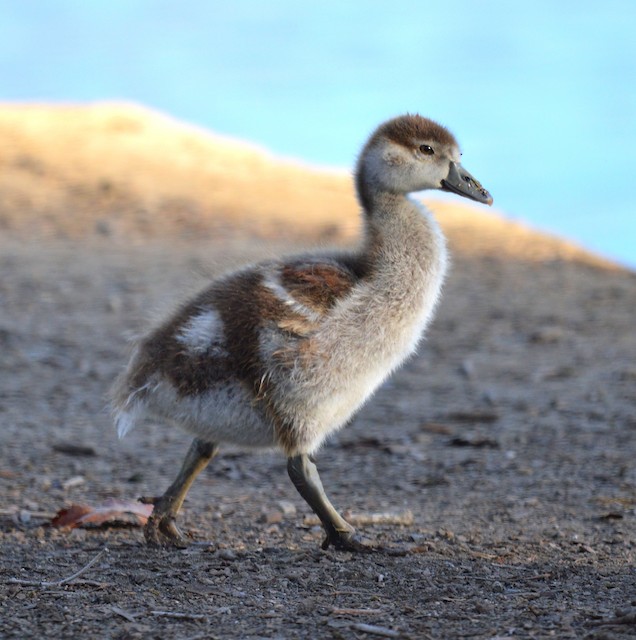 |
| © Daniel Murphy Macaulay Library ML20507091, eBird S25516722 |
One species may cope with a commercial
waterfowl starter, while another needs live aquatic food or a specialised plan.
Some cavity-nesting ducks are exceptionally sensitive in captivity. Sea ducks,
diving ducks, grazing geese, and large swans do not have interchangeable needs.
Youngsters can also be difficult to
identify. Their beaks, feet, down patterns, size, rescue location, and
behaviour provide useful clues, but a hatchling may look very different from
the adult pictured in a field guide. A wrong identification can lead to the
wrong food, housing, companions, water access, and release plan.
A permitted rehabilitator has suitable references, facilities, experienced colleagues, and veterinary support. Rehabilitation networks can also place a singleton with birds of the same species and age. The right companions may be as important as the right food.
Feeding is more complicated than it looks
Young waterfowl do not all eat the same
food. Some species eat a mixture of plant material and invertebrates, while
others depend heavily on live animal food during early growth. Their
nutritional needs also change as they develop.
Bread is not a suitable solution. A diet
high in refined carbohydrates and sugar can contribute to poor growth and
developmental problems. Angel wing is one example. The outer wing turns away
from the body and may become permanently deformed if the problem is not
recognised early. A bird that cannot fly cannot be released.
Other mistakes are less visible. Dry mash
can form a paste that is difficult to swallow, while wet food spoils quickly.
Water is necessary for feeding, but the wrong bowl can wet a youngster or
become a drowning hazard. Waterfowl also soil food and water quickly, so
hygiene needs constant attention.
Quantity matters as much as food type. A
chick may peck and dabble while eating very little. Rehabilitators monitor its
weight, growth, droppings, behaviour, and intake together, then adjust the diet
to suit the species and the bird's condition.
Assisted feeding, forced hydration, and
corrective treatment are clinical skills, not techniques to try at home. A
mistake can place food or fluid in the airway, injure the digestive tract, or
overwhelm a weak bird.
Water is essential, but it can also be dangerous
The natural response to finding a duckling
is often to put it in water. Eventually, it does need to swim for exercise,
normal behaviour, feather care, and waterproofing. The difficulty is knowing
when the bird is stable, whether its plumage is working, and how it will warm
and dry afterwards.
Healthy downy waterfowl may have some water
resistance, but rescued birds often arrive cold, weak, dirty, or dehydrated.
Their waterproofing may be poor. A youngster that becomes soaked can lose body
heat rapidly, become exhausted, and drown, even in shallow water.
A rehabilitator manages water according to
the species and the bird's condition. The chick must leave the water safely,
reach warmth, and preen. Later, it needs suitable swimming space to build
strength and prove its waterproofing before release.
Too little water at the wrong stage can
interfere with normal development. Too much water too soon can be fatal.
Knowing where that line falls requires experience.
Garden ponds and swimming pools need an exit
A garden pond or swimming pool creates a
different problem. A duckling, gosling, or cygnet may enter the water easily
but be unable to climb out. Smooth, steep sides become even more dangerous when
the water level sits well below the edge. The youngster may continue swimming
until it is exhausted and eventually drown.
Trying to scoop up a frightened chick with
a pool net can make the situation worse. Young waterfowl may dive deep to
escape, and repeated chasing adds stress while making the rescue more
difficult.
The best immediate response is to provide a
stable, temporary non-slip ramp from the water to the edge. Make sure the upper
end is secure, then move away and give the youngster space to find the exit.
Keep people and pets back, and contact a permitted rehabilitator for guidance.
A chick that is exhausted, soaked, cold, injured, or separated from its family
still needs professional assessment.
Even the floor beneath the bird matters
Waterfowl are built for wetland
environments. A slippery floor can cause a youngster's legs to splay as its
growing ligaments stretch beyond their normal range. Hard surfaces place
unnatural pressure on the feet and can contribute to bumblefoot, a painful
infection that may spread into the tendons, joints, and bones.
Other harmless-looking materials create
different problems. Loose bedding may be swallowed. Wet towels and carpets can
harbour fungi. Fine particles can irritate the eyes, while wire can cause
injuries to the beak, face, wings, and growing feathers.
An enclosure must provide space, safe
traction, shelter, controlled warmth, clean food and water, predator
protection, and visual privacy. It needs frequent cleaning without leaving the
bird cold or wet. As the youngster grows, housing must expand to allow natural
movement, swimming, exercise, and release preparation.
Keeping a waterfowl enclosure clean is not
a once-a-day task. Food and faeces quickly enter water containers and pools.
Poor hygiene increases disease risk, while overcrowding adds stress and helps
infection spread.
Waterfowl need other waterfowl
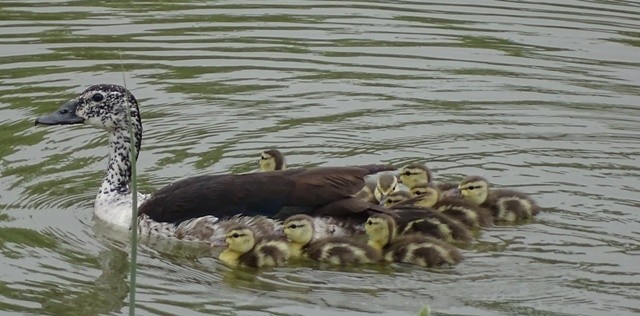 |
| © shantilal Varu Macaulay Library ML 205430411, eBird S65129954 |
Newly hatched waterfowl imprint easily. In many species, one day of close human contact can create an irreversible attachment. A hand-raised singleton may seek people instead of its own species, fail to join a wild flock, and become aggressive towards humans at sexual maturity.
An imprinted bird is not a domestic pet. It remains a strong wild animal whose behaviour has been redirected towards people. Large imprinted geese and swans can become dangerous. More importantly, a severely imprinted bird may never qualify for release and may face permanent captivity or euthanasia.
Rehabilitators reduce this risk by limiting
unnecessary human contact and raising youngsters with suitable companions or
carefully selected foster adults whenever possible. The bird needs normal
examples of its own species, not human affection in place of them.
Medical problems are easy to miss
A rescued bird may face more than
separation from its family. Cat and dog attacks can cause deep hidden injuries.
A small chick can also be hurt through handling. Roads, fishing areas, polluted
waterways, and domestic poultry add risks that a quick inspection may miss.
Waterfowl can carry parasites, bacteria,
and viruses. Treatment cannot be chosen by guesswork because medicine suitable
for one species may harm another. Isolation, testing, strict hygiene, and help
from an avian veterinarian may all be necessary.
Lead poisoning is a concern when waterfowl
swallow fishing tackle, shot, or contaminated material. Botulism can affect
many birds around warm, poorly flowing water. Weakness, vomiting, unusual
droppings, paralysis, and breathing difficulty may have very different causes.
Diagnosis can require blood tests, imaging, and specialised treatment.
Professional assessment gives the bird the
best chance of receiving the right care early. Waiting for unmistakable
symptoms may mean waiting until it is critically ill.
Release preparation starts on the first day
A bird is not ready for release simply
because it has grown larger or can swim. It must be fully feathered, strong,
waterproofed, familiar with natural food, wary of people, and able to behave
normally with its own species.
The release site must suit the species and
provide food, shelter, clean water, and distance from unnecessary human
activity. Rehabilitators also consider predators, chemical control programmes,
migration, wild flocks, and timing. Larger geese and swans may remain in family
groups for months and need a planned opportunity to join other birds.
Every care decision affects release. The
wrong companion can lead to imprinting, the wrong floor can damage feet and
legs, the wrong diet can deform wings, and poor water management can ruin
feather condition. Excessive human contact can leave a healthy bird unable to
live in the wild.
A permitted rehabilitator works backwards
from release. That is the difference between raising a bird and rehabilitating
one.
What to do when you find a duck, goose, or swan
Contact a permitted wildlife rehabilitator
immediately. Send clear photographs, the exact location and time, the type of
habitat, whether adults or siblings are nearby, and details of any contact with
a cat, dog, vehicle, fence, fishing line, or polluted water.
Do not remove a healthy-looking youngster
simply because it is alone. Move away and follow the rehabilitator's
instructions while the family is assessed from a safe distance. Do not place
the youngster with an unrelated family without professional guidance.
If the bird is already contained and
transfer is advised, keep it quiet, warm, and dry in a secure, ventilated box
with non-slip lining. Keep pets, children, noise, and handling away. Do not add
a water bowl because spilt water can soak and chill the bird. Do not feed,
force water, bathe, or allow swimming unless instructed.
A bird that has been caught by a cat or
dog, is bleeding, struggles to breathe, cannot stand, appears unusually weak,
has fishing line or a hook attached, or shows signs of paralysis needs urgent
professional assessment. Do not attempt to rescue a large adult swan or goose
alone.
The kindest rescue is a quick transfer
Ducks, geese, and swans are familiar birds.
That familiarity can make their care appear easier than it is. Temperature,
diet, water, footing, companions, hygiene, medical care, and release planning
must all work together.
You do not need to learn how to hand-rear a
duckling before asking for help. Protect it from further harm and place it with
someone who has the permit, facilities, knowledge, and professional network to
rehabilitate it properly.
Please contact a permitted wildlife
rehabilitator as soon as you find a duck, goose, or swan that may need help.
The sooner the bird reaches appropriate care, the better its chance of
returning to the life it belongs in: a wild one.
Acknowledgement and reference
Parys WADER acknowledges Marjorie Cahak
Gibson, whose specialist chapter on ducks, geese, and swans informed this
article, as well as the book's editors, Rebecca S. Duerr and Laurie J. Gage.
Gibson, M.C. (2020) 'Ducks, Geese, and
Swans'. In: Duerr, R.S. and Gage, L.J. (eds.) Hand-Rearing Birds. 2nd edn.
Hoboken, NJ: John Wiley & Sons, pp. 89-106.
Comments
Post a Comment